

A Structured, Evidence-Based Approach to Healing from Trauma
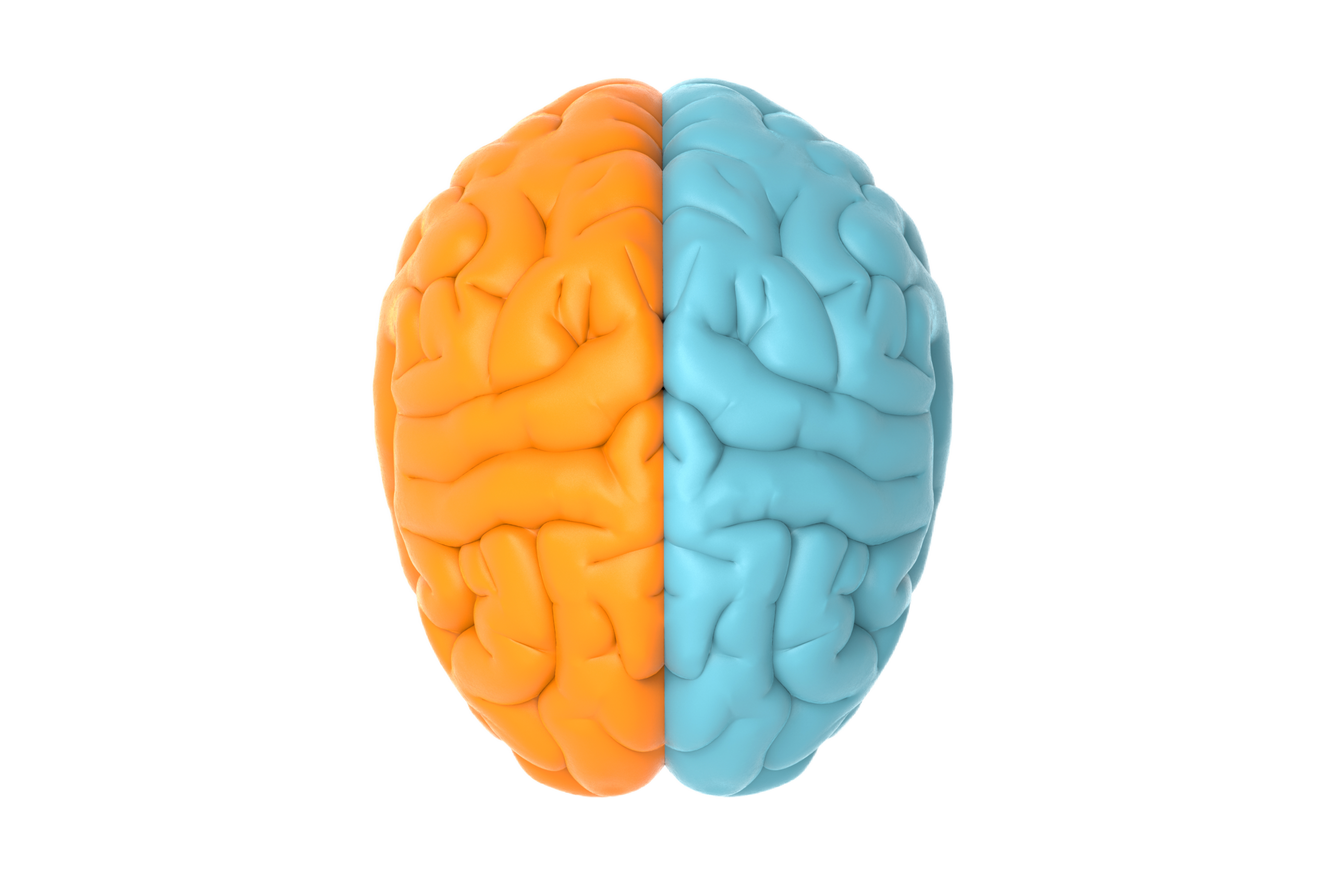
EMDR (Eye Movement Desensitisation and Reprocessing) is a therapy that helps people process distressing memories and experiences, including trauma and PTSD, so they no longer feel as overwhelming in the present. Rather than requiring you to talk through every detail, EMDR uses guided eye movements or other bilateral stimulation to help your brain reprocess difficult memories, reducing their emotional intensity over time.
The Importance of EMDR
EMDR is recognised internationally as a leading evidence-based treatment for trauma and PTSD. At Invision Psychology, this means offering a therapy that can create meaningful change often more quickly than traditional talk therapy alone, helping you move forward without being weighed down by the past.
How EMDR Works
We begin by understanding your history and identifying the memories or experiences contributing to current distress, whether that’s a single traumatic event or a pattern built up over time. Before any reprocessing begins, we focus on building resourcing and stability, ensuring you have the coping tools needed to feel safe throughout the process. From there, we use bilateral stimulation, such as guided eye movements, while you briefly focus on a difficult memory, allowing your brain to reprocess it in a way that reduces its emotional charge. This isn’t about erasing memories, but changing your relationship to them, so they feel like something that happened to you, not something that continues to control you. Throughout the process, we move at a pace that feels manageable, checking in regularly and adjusting as needed. Support extends beyond processing sessions too, helping you integrate insights and build resilience for the future.
What to Expect
You’ll be paired with a therapist trained in EMDR who takes time to understand your history and goals before any reprocessing begins. Rather than rushing the process, we build a foundation of safety and trust first, ensuring you feel prepared and supported. Sessions are collaborative and paced according to your needs, with regular check-ins on progress. Whether you’re working through a specific traumatic event or longer-standing patterns of distress, the aim is to help you feel more at ease in the present, no longer defined by what’s happened in the past.
How to Access the Service
Please get in touch with our friendly administrative team via our contact page, phone, or email address and we will send you an intake form and our information sheet and consent form to start the intake process.
You do not need a referral to book an initial appointment, however you may want to discuss your needs with your general practitioner (GP) to determine if you qualify for Medicare funding, which can cover up to ten sessions with a Mental Health Care Plan. In such cases, you would need a referral. Additionally, private health insurance rebates may be available through your provider.